Start with width
Compare regular, tighter, and larger-fit ranges if standard condoms feel too loose or too restrictive.

Search by product, brand, or category to get to the right page faster.
Shop category





Buying guide
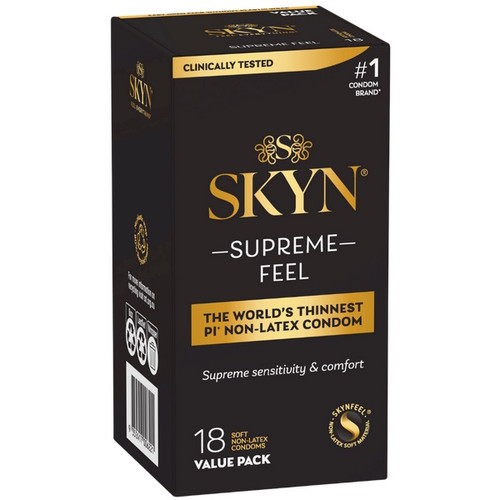
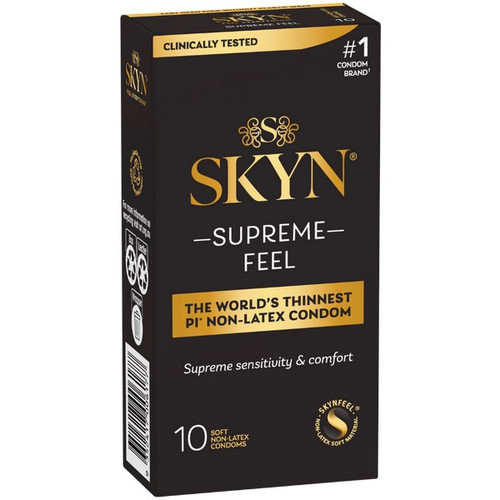
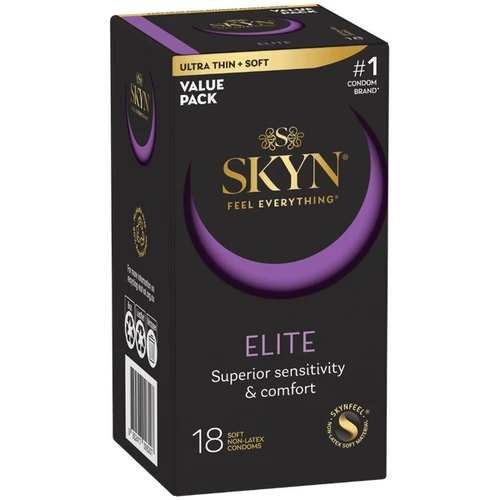
Size pages are strongest when shoppers can compare fit options quickly. Use the product details to check nominal width, material, and lubricant compatibility before choosing a range.
Compare regular, tighter, and larger-fit ranges if standard condoms feel too loose or too restrictive.
Latex, non-latex, and ultra-thin options can feel different even when the size looks similar.
Choose a lubricant that suits the product material and follow the compatibility notes on the product page.
Condom size refers to the length and girth of a condom, which can vary between different brands and types. Choosing the right size condom is important for both comfort and effectiveness in preventing sexually transmitted infections (STIs) and unwanted pregnancy. Condoms typically come in sizes ranging from small to large, with different options for length, width, and thickness. A properly fitting condom should feel snug but not tight, and should not slip off during use. It's important to experiment with different sizes and brands until you find the one that works best for you.
Condom size refers to the length and girth of a condom, which can vary between different brands and types. Choosing the right size condom is important for both comfort and effectiveness in preventing sexually transmitted infections (STIs) and unwanted pregnancy. Condoms typically come in sizes ranging from small to large, with different options for length, width, and thickness. A properly fitting condom should feel snug but not tight, and should not slip off during use. It's important to experiment with different sizes and brands until you find the one that works best for you.