
How to Use a Female Condom: Step-by-Step Guide
Posted by Condoms Australia on 18th Nov 2026
Wondering how to use a female condom? The short version: a soft pouch goes into the vagina before sex, with one ring sitting inside and one staying outside. The first go can feel fiddly. By the second or third it usually clicks. Here's each step, in order.
This is general information only. Follow the leaflet inside your pack, and talk to a GP or sexual-health clinic if you have questions about your own situation.
What is a female condom (femidom)?
A female condom, also called an internal condom or femidom, is a thin pouch worn inside the vagina. It's designed to help reduce the risk of pregnancy and sexually transmissible infections (STIs) by lining the vagina and covering the area around the opening.
The pouch has two flexible rings. The smaller, closed-end ring sits inside to hold the condom in place. The larger, open ring stays outside the body and frames the opening.
Brands such as the FC2 female condom are made from a soft, non-latex material. We stock the Glyde Femidom FC2, and you can see the rest of the range in our female condoms category.
Who might choose a female condom?
A latex allergy, yours or your partner's, is one common reason. Wanting to be the one in control of protection is another. Here's the fuller list.
- Latex sensitivity: internal condoms are commonly made from non-latex materials. Check the pack to confirm.
- Taking charge of protection: you can put it in yourself, without relying on a partner.
- Inserting ahead of time: it can go in before things get close, so there's no pause mid-moment.
- Variety: some people just prefer how it feels to an external condom.
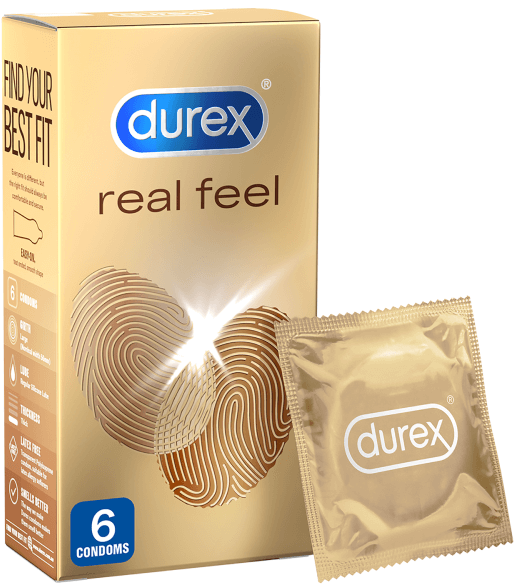
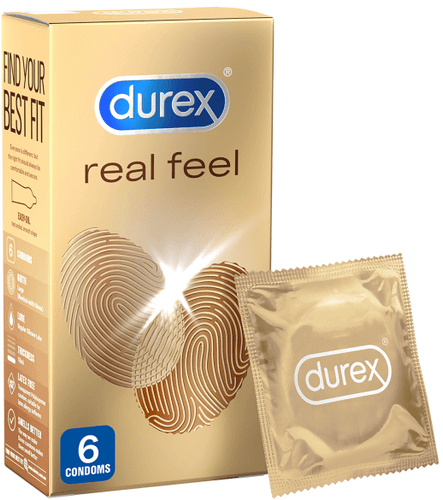
Buying for a partner with a latex allergy? External condoms come in non-latex materials too. Our non-latex condoms range includes the Durex Real Feel Non Latex Condoms 6 Pack, $14.95 at the time of writing.
How to use a female condom in 6 steps
Female condom insertion takes six steps: prepare, open, squeeze, insert, position, and guide your partner in. Take your time on the first one. A practice run on your own, with no pressure, helps a lot. Read the leaflet in your pack as well, because designs vary slightly.
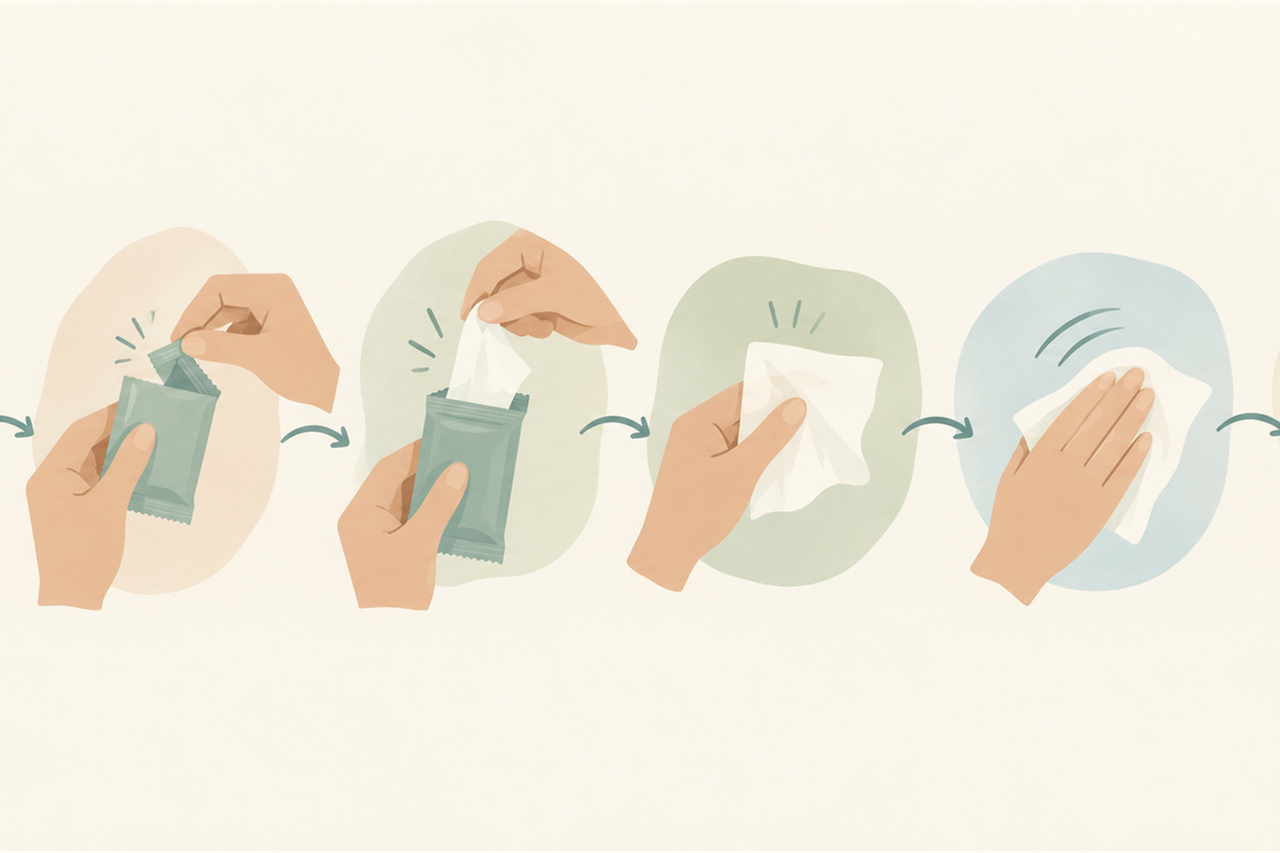
- Prepare. Wash your hands and check the expiry date and that the packet is undamaged. Find a comfortable position, such as standing with one foot raised, squatting, or lying down.
- Open the packet. Tear it carefully along the edge with your fingers. Avoid scissors, teeth or sharp nails that could snag the pouch.
- Squeeze the inner ring. Hold the closed end and pinch the small ring between your thumb and middle finger so it forms a narrow oval.
- Insert it. Gently push the squeezed ring into the vagina, much as you would a tampon without an applicator.
- Push it in place. Slide a finger inside the pouch and push the inner ring up as far as it will comfortably go. The large outer ring should stay outside, resting against the body.
- Guide your partner in. Hold the outer ring steady and help your partner enter through the opening. Make sure the penis goes inside the pouch, not between the pouch and the vaginal wall.
Many come pre-lubricated, and a little extra lubricant can make things more comfortable. Your leaflet says which types are suitable.
If the outer ring gets pushed inside or the condom bunches up during sex, stop and reposition it. If it slips out or tears, stop and check the leaflet. A GP or sexual-health clinic can advise on next steps.
How to remove a female condom
To remove it, twist the outer ring to seal the semen inside, then gently pull the condom out. Do it before you stand up if you can. Nothing spills that way.
- Twist the outer ring a few times to close the opening.
- Pull gently and steadily until the condom comes out.
- Wrap it in tissue and put it in the bin.
Don't flush it. It can block the pipes. Then wash your hands.
What not to do with a female condom
Two rules matter more than the rest: never use a female condom and an external condom at the same time, and never reuse either one. The two rub against each other, which can make them slip or tear, and each is made for a single use.
- Don't double up with an external condom.
- Don't reuse a female condom. Use a fresh one each time.
- Don't use damaged or expired packs.
- Don't let the outer ring slip inside the vagina during sex.
What about anal sex? The standard instructions are written for vaginal use, so ask a sexual-health clinic about your options.
Female condom pros and cons
Female condom pros and cons are easiest to weigh against the external condom most people already know. Here's how the two compare.

Pros
- Non-latex options are available, which can suit people with latex allergies.
- You can insert it ahead of time and control it yourself.
- The outer ring covers more of the surrounding area than an external condom does.
- Some people find the material warms to body temperature and feels natural.
Cons
- Insertion takes practice. Expect the first one or two to feel awkward.
- It can rustle. A bit more lubricant usually quietens it.
- It's harder to find on a shop shelf than external condoms, which is why many people buy online.
- It generally costs more per condom.
Some people settle on one type. Others keep both in the drawer. If you'd rather stick with external condoms, our non-latex condoms are worth a look. For advice about your own situation, talk to a GP or a sexual-health clinic such as Family Planning NSW.
Shop the range




This article is general information and opinion, not medical advice. It does not replace advice from a GP, sexual-health clinic or other qualified health professional. Products mentioned should be used as directed on their packaging.
FAQ
Can I insert a female condom hours before sex?
Yes, internal condoms are designed so they can be inserted ahead of time. Check the leaflet in your pack for the recommended time limit for your brand.
Does a female condom make noise?
It can rustle or squeak during use. Adding a little extra lubricant, inside the pouch or on the penis, usually reduces the noise.
Can I use a female condom for anal sex?
Standard instructions are written for vaginal use. If you're considering anal use, check your pack's leaflet and talk to a GP or sexual-health clinic for advice.
Can I use a female condom with an external condom?
No. Using both together can cause friction, so they may slip or tear. Use one or the other, once only.
Is a female condom suitable if I have a latex allergy?
Many are made from non-latex materials, but always check the packaging for the material before you buy.