
A condom that fits well is more comfortable and less likely to slip or break. This condom size guide shows you how to find yours in a couple of minutes: fit comes down to one measurement, your girth, and one number on the pack, the nominal width. For adults 18+. General information, not medical advice. Why width matters more than length, where to find the nominal width on the pack, how to measure your girth with a soft tape, and how snug, regular and large sizes line up. Captions are built into the video. Condoms come in different widths, and the fit changes how one feels. If a condom feels tight or uncomfortable, it may be too narrow for you. If it slips or bunches, it may be too wide. The number to look for is the nominal width, printed in millimetres on the pack. Measure your girth with a soft tape, divide by two, and that is the nominal width to start from. Then try a size either side. Most packs sit between forty-nine and sixty millimetres, so snug, regular and large usually cover it. Go with the one you forget you're wearing. Condoms help reduce the risk of pregnancy and sexually transmitted infections when used correctly and consistently. Always follow the directions on the pack, and talk to a GP or sexual-health clinic if you have questions. Prefer to read? Everything in the video is written out below, with a size table and the ranges to shop. A condom that is too tight is more likely to break, and one that is too loose can slip off. Either way you lose the protection you were counting on. In Australia condoms are regulated as medical devices by the Therapeutic Goods Administration, so any condom from a reputable retailer meets strict quality standards. Fit is the part that is up to you. Fit affects enjoyment too. A condom that pinches, rolls up or slides around is distracting, and discomfort is one of the main reasons people skip condoms. A good fit makes them easy to use every time. For a plain-English refresher on using condoms correctly, Healthdirect Australia is a reliable place to start. Every condom box (and usually each foil) prints a nominal width in millimetres: the width of the condom laid flat, roughly half its circumference. It tells you far more than labels like "regular" or "king size", and it is the figure to compare when you switch brands. Length is printed too, but matters much less: condoms are made to cover a wide range of lengths and any extra stays rolled at the base. Ranges vary a little between brands. Latex stretches, so the right condom feels snug but never painful, and stays put without cutting in. For a closer fit that stays on securely when regular condoms slip or bunch. The standard width most people start with. Small packs make it cheap to trial a fit before buying a box. For when regular condoms feel tight, leave a red ring or are hard to roll down fully. Texture is a separate choice from size: ribbed or dotted styles are about sensation, not fit. Two condoms with the same nominal width can still feel different because brands vary in shape, thickness and tip design, so if the width seems right but comfort is off, try another brand at the same width. If you get repeated breakages or irritation, check with a GP or sexual-health clinic to rule out causes such as a latex sensitivity. Even a well-sized condom feels better with lubricant, and less friction means less strain on the condom. With latex condoms use a water-based lubricant; oil-based products such as moisturisers and massage oils can weaken latex. Browse water-based lubricants or the full personal lubricants range. Browse all condoms by size See the full condom range Most regular condoms sold in Australia have a nominal width of about 52–56 mm, which suits the majority of people. If regular condoms feel tight or loose, snug and larger widths are easy to find. Far less than width. Condoms are made to cover a wide range of lengths and any extra stays rolled at the base. Girth, and the nominal width it maps to, is what decides whether a condom fits and stays on. It feels painfully tight, is hard to roll down fully, leaves a red ring afterwards, or breaks. Any of those is a sign to try a larger nominal width. No. A condom that is too loose can slip during sex, which defeats the purpose. The right condom is the one that fits snugly and stays put, so measure first and choose a width to match. On the box and usually on each foil wrapper, as a number in millimetres (for example 53 mm or 56 mm). Compare that figure, not words like "regular" or "king size", when switching brands. Want the longer read? See our article Condom sizes: how to find the right fit (Australia). This page is general information and opinion, not medical advice. It does not replace advice from a GP, sexual-health clinic or other qualified health professional. Condoms may help reduce the risk of pregnancy and sexually transmitted infections when used correctly and consistently; always follow the directions on the pack.Watch: condom fit, in under a minute
Read the transcript
Why condom fit matters
Condom size guide: nominal width decides the fit
Fit Nominal width Girth guide Feels like Snug (tighter fit) about 49–52 mm under about 110 mm regular condoms slip, wrinkle or ride up Regular (standard) about 52–56 mm about 110–120 mm suits most people; the place to start Large (larger fit) about 56–60 mm over about 120 mm regular condoms feel tight, leave a red ring or are hard to roll on How to measure at home
Snug, regular or large: which should you try?
Snug
Regular
Large
Signs it is time to change size or brand
Lubricant makes a good fit feel better
Shop by fit
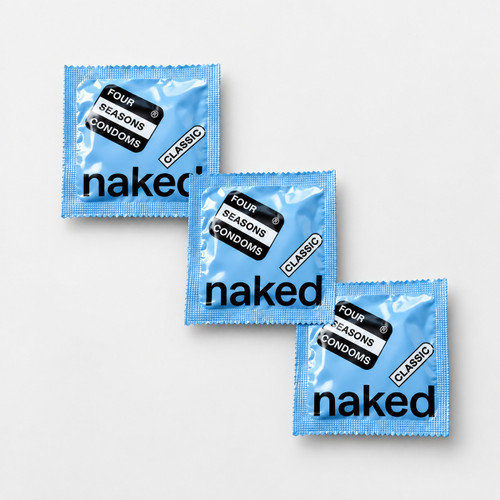 Four Seasons Naked Classic CondomsRegular fitfrom $2.19
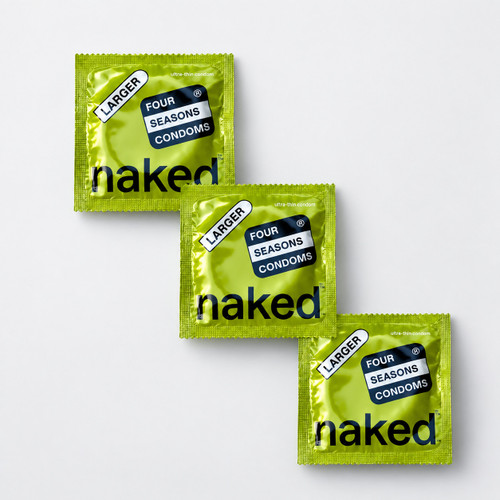 Four Seasons Naked Larger CondomsLarger fitfrom $2.19
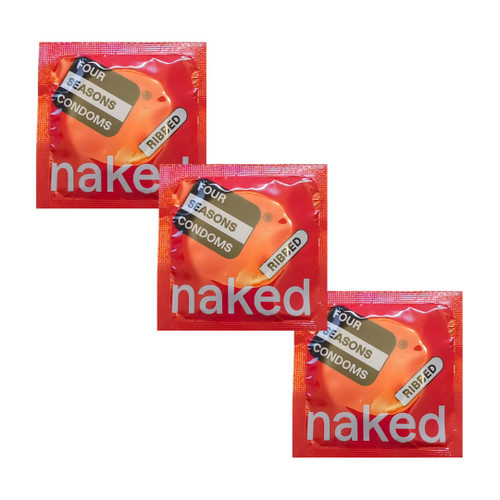 Four Seasons Naked Ribbed CondomsRegular fit · texturedfrom $2.19
 Wet Stuff Gold LubricantsWater-based lubefrom $4.95
Frequently asked questions
What is the most common condom size in Australia?
Does condom length matter?
How do I know a condom is too small?
Can I just buy larger condoms to be safe?
Where is the nominal width printed?
Prepared by the Condoms Australia team with AI assistance and reviewed by our team. Last reviewed 22 October 2026.
49–52 mm
52–56 mm
56–60 mm