
Non Latex Condoms in Australia: A Plain Guide
Posted by Condoms Australia on 25th Nov 2026
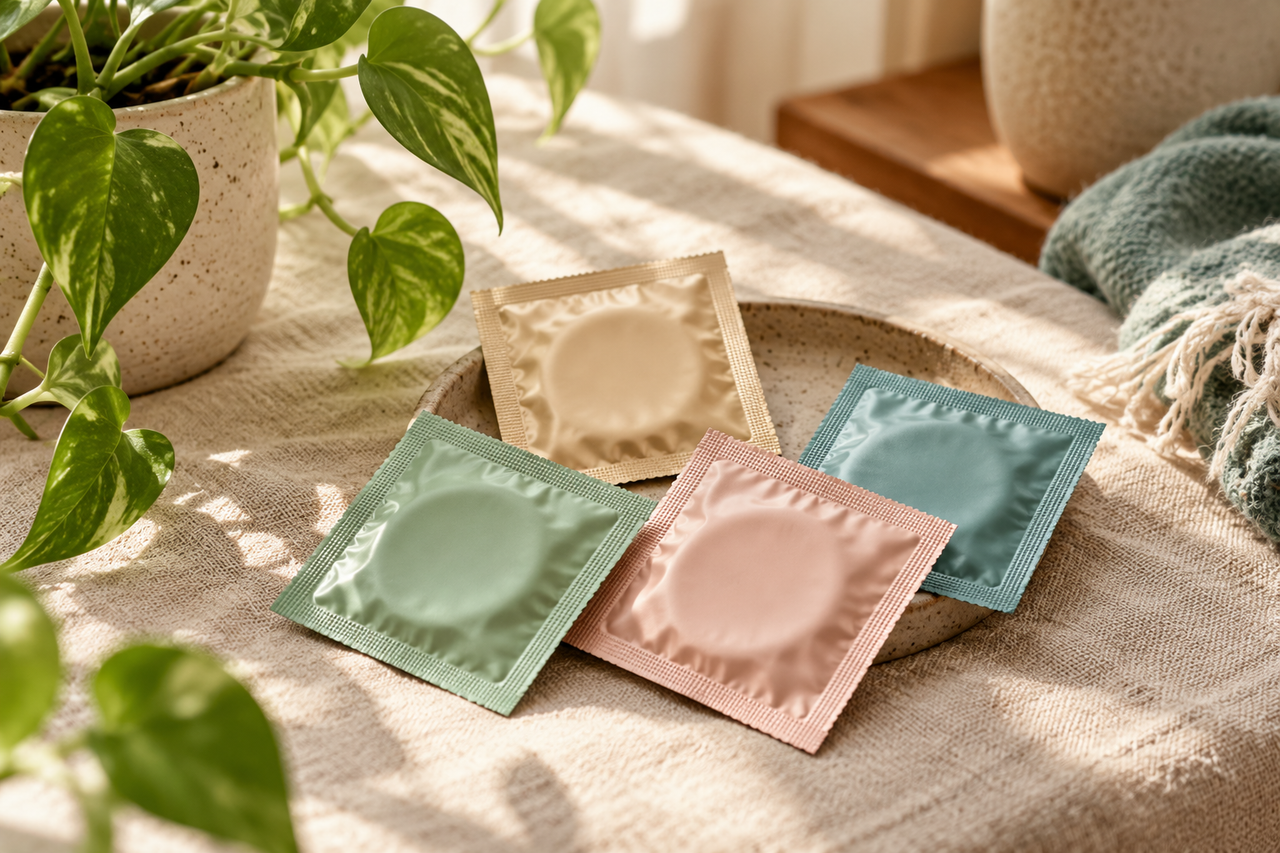
Non latex condoms are made from a synthetic material instead of natural rubber latex. Most people come to them because of a latex allergy or sensitivity. Others are simply curious about the feel. There are three materials to know, and they don't behave the same way.
Everything here is general information, not medical advice. If you have a known allergy, check with a GP or sexual-health clinic before you choose.
What are non latex condoms and how do the materials differ?
Non latex condoms (often sold as latex free condoms) are made from polyisoprene, polyurethane or nitrile. They're three different materials, so the feel, the stretch and the lubricant rules change from one to the next.
- Polyisoprene: a synthetic version of rubber. Soft and stretchy, and the one many people find closest to latex.
- Polyurethane: a thin plastic. It's generally less stretchy than polyisoprene, and polyurethane condoms are often described as smooth and slightly firmer.
- Nitrile: a synthetic material used in some internal (sometimes called female) condoms.
Because the stretch differs, so does the fit. If you're used to latex, buy a small pack first. A box of 20 is a lot to be stuck with if the feel isn't for you.
Polyisoprene, polyurethane and nitrile at a glance
Polyisoprene is the soft, stretchy one. Polyurethane is thin and less elastic. Nitrile is used in some internal condoms. The table has the general differences, and the pack has the exact material, size and lubricant advice.
| Material | Example | Type | What to know |
|---|---|---|---|
| Polyisoprene | SKYN, Durex Real Feel | External | Soft and stretchy. Water-based and silicone-based lubes are commonly recommended; check the pack. |
| Polyurethane | Various brands | External | Thin and less elastic. Packs often say which lubes are suitable. |
| Nitrile | Some internal condoms | Internal | Worn inside the vagina or anus. Designed to be inserted, not rolled on. |
Nominal widths vary by brand and by range, and they're printed on each pack. We've left the numbers out on purpose, because ranges get updated and we'd rather you trust the pack than a figure in a blog post. Our size guide covers the rest.
SKYN vs Durex Real Feel: how do they compare?
Both are polyisoprene condoms, so they have more in common than the two brand names suggest. Many people find them soft and warm-feeling, and neither contains natural rubber latex. Where they differ is shape, lubricant and texture. That part is preference, which is why two people can try both and disagree.
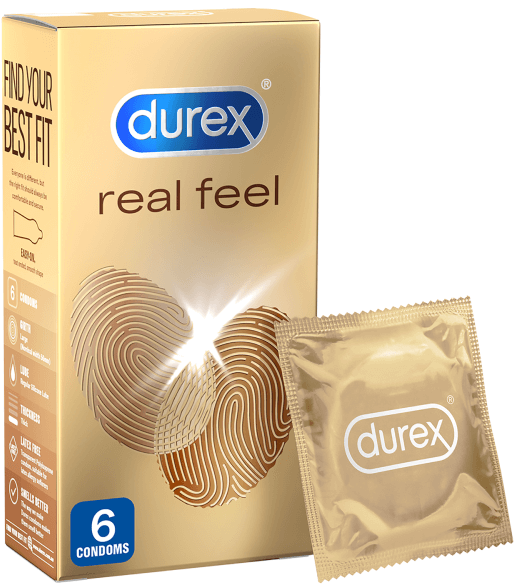
If you want to try the Durex option, the Durex Real Feel Non Latex Condoms 6 Pack is $14.95 at the time of writing. Six condoms is enough to know whether you like the feel, without committing to a big box.
For SKYN and other brands, see the full non-latex condoms range, where current availability is shown.
To compare them fairly, try one pack of each with the same lube and see which you reach for again. Feel is personal, so there's no single right answer.
Latex allergy condoms: what to check first
If you have a latex allergy, look for packs that clearly say they are non latex or latex free, and check the material listed on the box. Polyisoprene is synthetic, which is why it's commonly chosen as an alternative. Even so, talk to a GP or sexual-health clinic about your own situation.

It isn't only about the person wearing it. If your partner is the one with the allergy, a non latex condom helps them avoid contact. Check the other things you use as well, such as lubricants and toys. Their packs list ingredients too.
healthdirect has general advice on condoms. Condoms are designed to help reduce the risk of pregnancy and sexually transmissible infections when used correctly every time.
- Check the pack says non latex or latex free.
- Check the expiry date and that the wrapper is intact.
- Ask a health professional if you are unsure about a reaction.
Non latex condom sizes and lubricant compatibility
Non latex condoms sizes are printed on the pack as a nominal width. The right fit feels snug without being tight. Polyurethane stretches less than polyisoprene, so getting the width right matters more with those. Our condom size guide shows how to measure and compare.

On lubricant, follow the pack. As a general rule, water-based lube suits most condoms, and many polyisoprene condoms are also compatible with silicone-based lube. Oil-based lubricants are commonly advised against with polyisoprene, because they may weaken the material.
Polyurethane condoms are often described as more flexible about lubricant types, but brands differ, so don't take that as given. Read the instructions in the box. If you're unsure, use water-based lube.
Which non latex condom may suit you?
Here's a starting point. These are general characteristics, and what you prefer in practice counts for more.
- You want a soft, stretchy feel: try a polyisoprene condom such as Durex Real Feel or SKYN.
- You want a thinner, less stretchy material: try polyurethane condoms and check the fit carefully.
- You prefer an internal option: look at an internal condom such as the Glyde Femidom FC2, and check the pack for its material.
- You have a latex allergy: choose a pack marked non latex and check with a GP.
- You're unsure of size: measure first with the size guide.
Browse the whole non latex range to compare packs side by side. And start small. You can always come back for the big box.
Shop the range
FAQ
Are non latex condoms as effective as latex condoms?
Condoms made from approved synthetic materials are designed to help reduce the risk of pregnancy and sexually transmissible infections when used correctly. For specifics on any brand, read the pack or ask a GP or sexual-health clinic.
What is the difference between polyisoprene and polyurethane condoms?
Polyisoprene is a soft, stretchy synthetic rubber. Polyurethane is a thin plastic that is generally less elastic. Fit and lubricant advice can differ, so check the pack.
Can I use any lube with non latex condoms?
Not always. Water-based lube is generally the safe choice. Oil-based lubes are commonly advised against with polyisoprene, so follow the instructions on the pack.
Are latex free condoms suitable for a latex allergy?
They are commonly chosen for latex allergy because they do not contain natural rubber latex. Confirm the material on the pack and speak with a GP about your own situation.